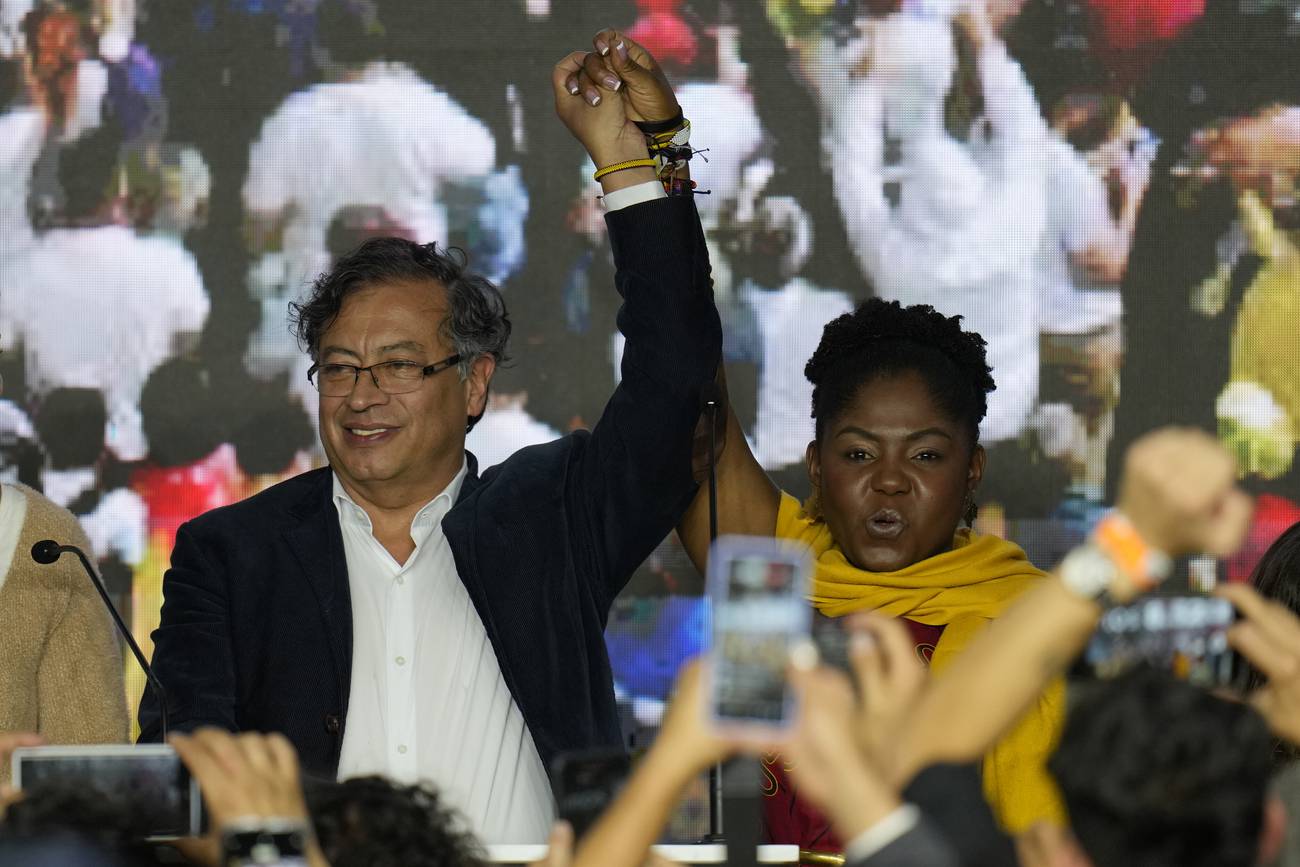
Prof. Lauria Santiago Signs Agreement for Research and Digitalization Collaboration with UPR Library
@Rutgers: Labor and Working Class History Association Conference--CFP
Will be held at Rutgers!
CFP: Labor and Working Class History Association (LAWCHA)
Class in Everyday Life: Theory and Praxis
Our theme, “Class in Everyday Life,” calls attention to spaces of class consciousness and organization in and beyond the workplace. During the current crisis, manifested in the ongoing pandemic, warming climate, and war, key fronts of working-class militancy have formed among workers in fast food, warehouses, transportation, education, tech, and healthcare. In recent years, protests following the police murders of Breonna Taylor and George Floyd, alongside anti-eviction movements and food distribution networks, exemplified significant sites of working-class struggle over the conditions of daily life. These sites reveal class struggle over dignity, food, shelter, health, and education, in addition to wages and length of the working day. This isn't new. Members of the working class have long built movements, not only as laborers but also as students, activists, community members, and caretakers. Our theme, accordingly, is an invitation to foreground historical spaces of working-class life and struggle that connect the workplace to other spaces of everyday life. In particular, we invite presentations that explore how, why, and when working people have organized as a class. They may have done so through institutions and organizations–from churches and mosques, to Poor People’s Campaigns, tenants’ and migrant worker unions, and school boards–or through more liminal spaces, fragile networks, or sporadic moments of resistance.
Our theme builds on the urgent call by Julie Greene, in her 2020 LAWCHA presidential address delivered at the Organization of American Historians' annual meeting, amid the Covid-19 pandemic and ongoing instability in higher education. Dr. Greene encouraged a “capacious understanding of class as a dynamic process linked to and shaped by the broader contours of social and political relations within capitalist society,” including relations of social reproduction, between metropole and periphery, within social movements, and on university campuses. To that end, we especially invite scholars whose work focuses on transnational, comparative, and global studies; examines coerced and forced labor; features Black, Brown, Indigenous, and immigrant workers; foregrounds care work and social reproduction; thinks through higher education as a site of labor and working-class struggle; and/or considers the intersections of working-class life and class consciousness with histories of race, ethnicity, gender, sexuality, and disability. We encourage presentations across the Americas and beyond, in all time periods, with special interest in histories of the 19th century and earlier. We also invite proposals that develop and link theory and praxis, and panels on labor and employment status in academic work. We welcome proposals in other topics related to labor and working-class history along with those listed.
We will consider traditional panels with 3 papers; lightning sessions of 5-6 very short presentations; roundtables of 5-6 people discussing a larger theme; workshops; performance-oriented sessions featuring artistic work, including films; proposals for a poster session; and moderated conversations between activists or artists and historians. All sessions (except for poster) must designate a comment/chair or moderator/chair separate from presenters. We welcome proposals from scholars and activists in all fields, and especially urge contingent faculty, community college faculty, and independent scholars to submit panel proposals and papers. We also welcome the participation of undergraduate students, particularly from our host campuses at Rutgers University and Raritan Valley Community College.
We encourage the submission of complete panels rather than individual papers. Single paper authors are encouraged to seek out others prior to submission. We ask that organizers aim for diversity in gender identity, race, ethnicity, and/or employment status of presenters when pulling together submissions. To assist, the conference has created a collaboration form where individuals can post ideas and seek others to create panels. Proposals for complete panels, consisting of three 15-minute paper presentations, should include an overview of no more than 250 words and brief (100 word) abstracts for each paper. Roundtables, lightning rounds, and other sessions (film, moderated conversation, etc.) should include a 250-word overview that describes the sessions’ theme and the format. Provide a bio of no more than 100 words for each participant including chair and/or commentator. Proposals for individual presentations (where appropriate) should include a one-paragraph description and brief bio. Proposals for a poster should include a one-paragraph description and brief bio. Include contact information for all participants. The deadline for submissions is October 15, 2022. We plan to announce acceptance of submissions in early January, 2023. The conference will take place at Rutgers University in New Brunswick, New Jersey, May 18-21. Email
Submission portal coming soon.
Prof. Marchi Publishes Second Edition of "Day of the Dead"
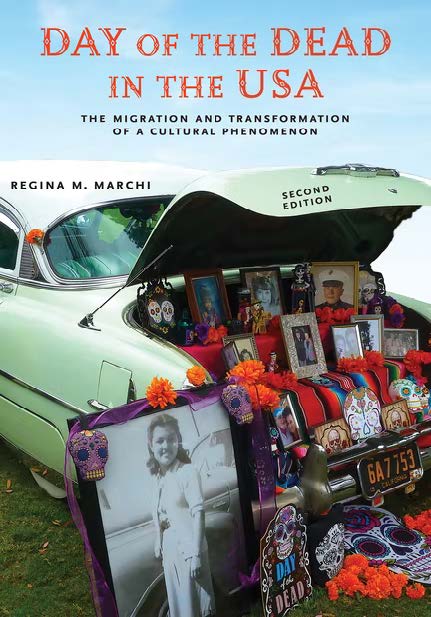 Second Edition
Day of the Dead in the USA: The Migration and Transformation of a Cultural Phenomenon
REGINA M MARCHI
“Regina Marchi has written the most historically and geographically comprehensive documentation of Día de los muertos. The second edition centers the voices of the Chicana/o/x artists and advocates who made this celebration into an international phenomenon and subsequently gained the attention of markets, museums, and the media.”
—Karen Mary Davalos, author of Chicana/o Remix: Art and Errata Since the Sixties Honoring relatives by tending graves, building altars, and cooking festive meals has been a major tradition among Latin Americans for centuries. The tribute, "El Día de los Muertos," has enjoyed renewed popularity since the 1970s when Latinx activists and artists in the United States began expanding "Day of the Dead" north of the border with celebrations of performance art, Aztec danza, art exhibits, and other public expressions.
Focusing on the power of public ritual to serve as a communication medium, this revised and updated edition combines a mix of ethnography, historical research, oral history, and critical cultural analysis to explore the manifold and unexpected transformations that occur when the tradition is embraced by the mainstream. A testament to the complex role of media and commercial forces in constructions of ethnic identity, Day of the Dead in the USA provides insight into the power of art and ritual to create community, transmit oppositional messages, and advance educational, political, and economic goals.
Today Chicano-style Day of the Dead events take place in all fifty states. This revised edition provides new information about:
• The increase in events across the US, incorporating media coverage and financial aspects,
• Recent political movements expressed in contemporary Day of the Dead celebrations, including #BlackLivesMatter and #MeToo
• Greater media coverage and online presence of the celebration in blogs, websites, and streaming video
• Día de los Muertos themes and iconography in video games and films
• The proliferation of commercialized merchandise such as home goods, apparel, face paints and jewelry at big box and web retailers, and the widespread proliferation of calavera-themed decorations and costumes for Halloween
• 24 new full color illustrations.
REGINA MARCHI is a professor in the Department of Journalism and Media Studies at Rutgers University—New Brunswick in New Jersey. She co-authored, with Lynn Schofield Clark, Young People and the Future of News, which won the 2018 Nancy Baym top book award from the Association of Internet Researchers and the 2018 James W. Carey Media Research Award.
Latinidad: Transnational Cultures in the United States
TABLE OF CONTENTS
Preface
Acknowledgments
Note on the Text
Glossary
Introduction
1. An Ancient and Modern Festival
2. Mexico’s Special Relationship with Day of the Dead
3. Day of the Dead in the United States
4. Ritual Communication and Community Building
5. US Day of the Dead as Political Communication: A Moral Economy
6. Day of the Dead in the US Media: The Celebration Goes Mainstream
7. Appeal, Influence and Ownership
8. The Commodification of Day of the Dead
Conclusion: What We Can Learn from US Day of the Dead Celebrations
Methodological Appendix
Notes
Bibliography
Index
30% OFF + free shipping
rutgersuniversitypress.org or 1 800 621 2736
US orders only • Code: RFLR19
Jesse Pringle has Graduated
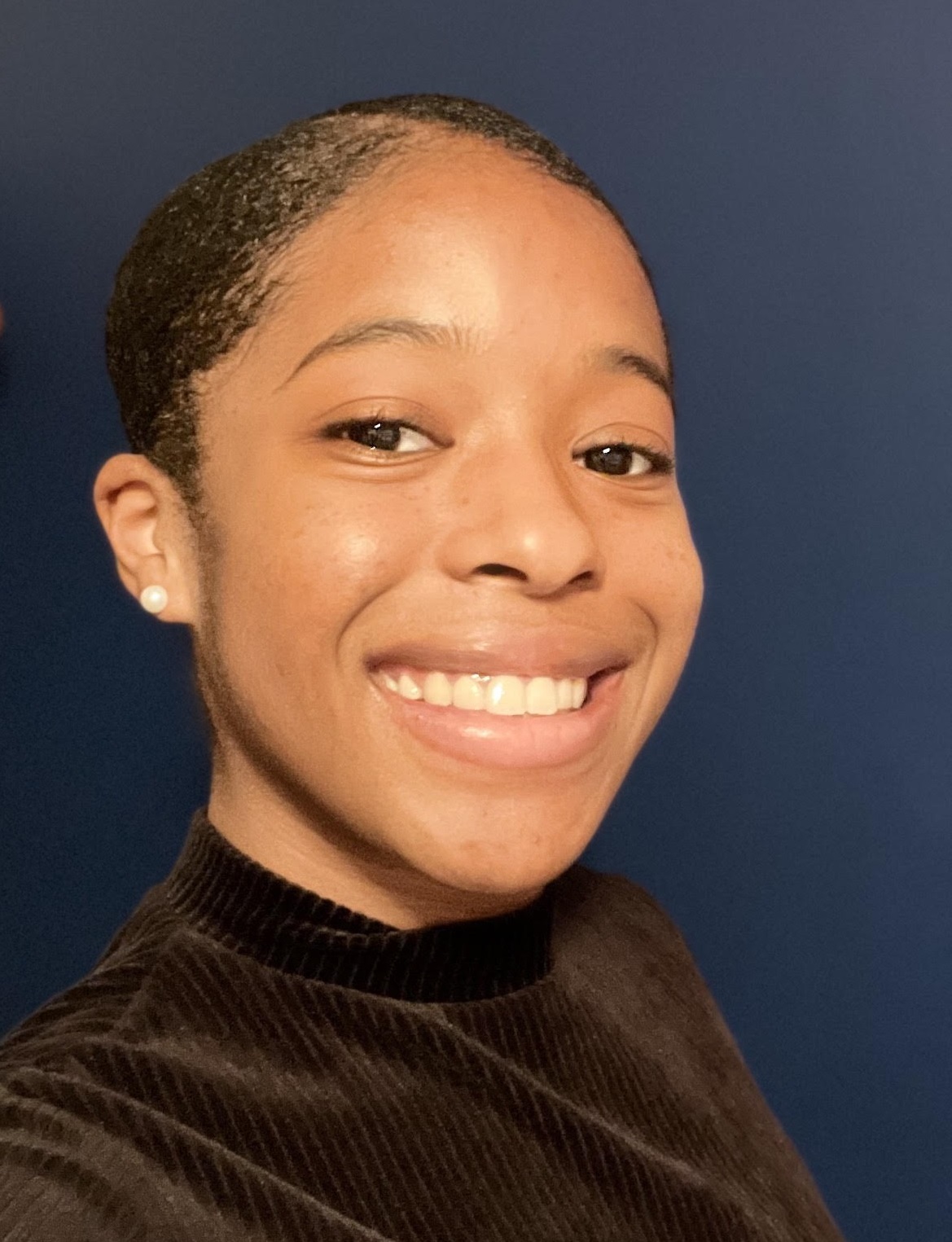 Our extraordinary assistant Jesse Pringle has graduated and is moving on to new jobs and challenges. CLAS thanks her for her work!