
Former Post-Doc Associate and Visiting Scholar Briana Nichols Publishes Book Review
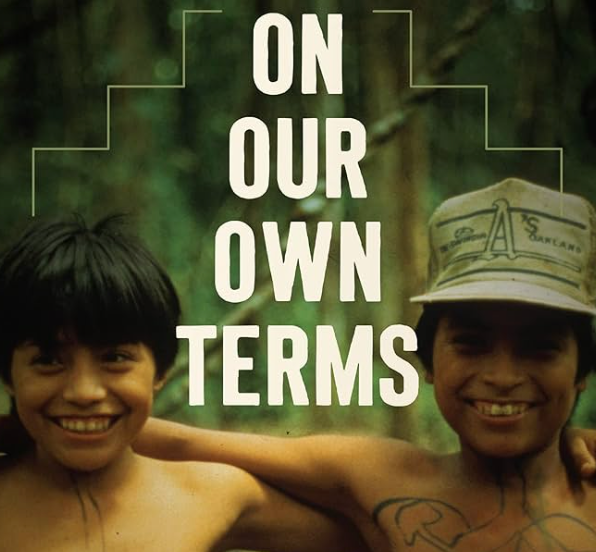
See Briana Nichols's review of Sarah Foss. On Our Own Terms: Development and Indigeneity in Cold War Guatemala. Chapel Hill: University of North Carolina Press, 2022 in the most recent Hispanic American Historical Review ((2024) 104 (1): 154–156).
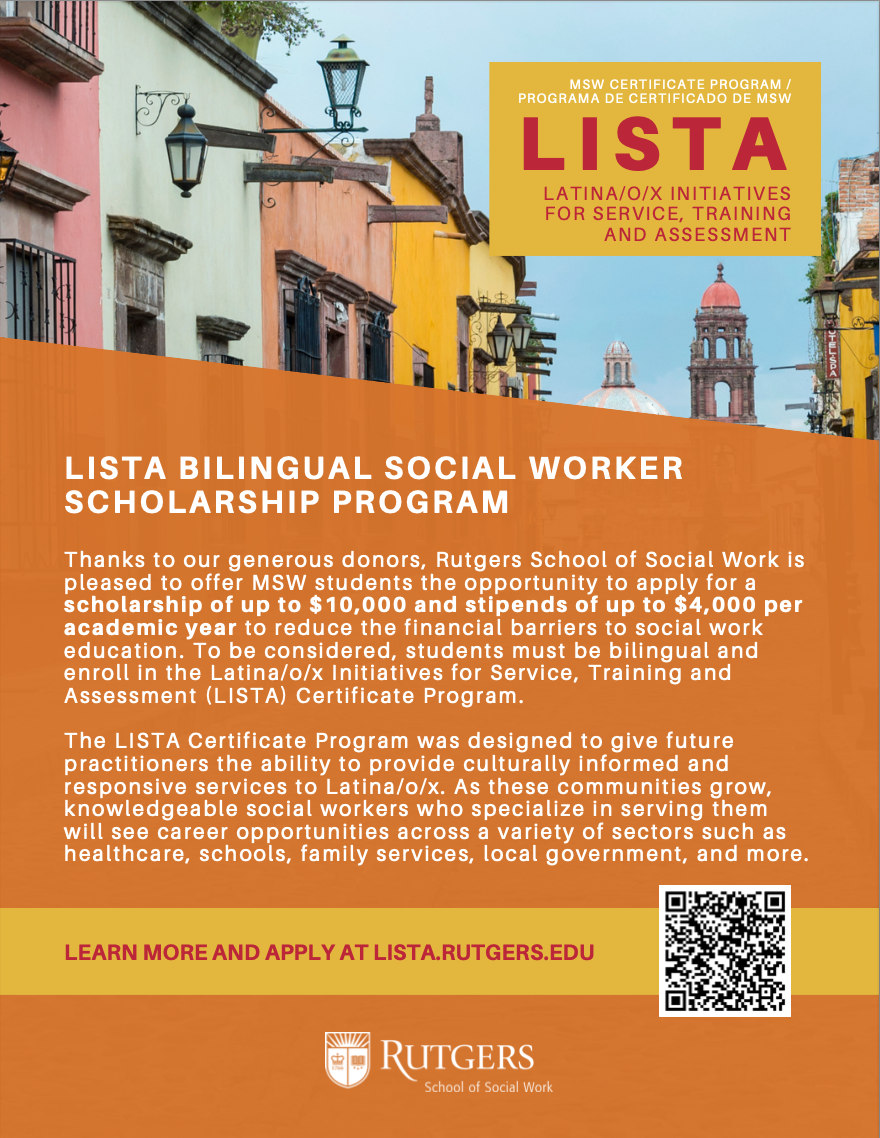
Exciting Opportunity: $10,000 Bilingual Scholarships Available for MSW Students through the LISTA Program!
The Latina/O/X Initiatives For Service, Training And Assessment (LISTA) program is thrilled to share that for a second year in a row, incoming Master of Social Work (MSW) students are eligible to apply for our $10,000 bilingual scholarships! Additionally, we are excited to offer opportunities for both a scholarship and a $4,000 practicum stipend.
To be considered, students must be bilingual and enroll in the Latina/o/x Initiatives for Service, Training, and Assessment (LISTA) Certificate Program. The LISTA (Latina/o/x Initiatives for Service, Training, and Assessment) program is deeply committed to supporting bilingual students who are pursuing careers in social work. Our scholarships are designed to alleviate financial barriers and empower aspiring social workers to embark on their journey in the field.
More Information: Here
Professor Andrea Marston Publishes a New Book!
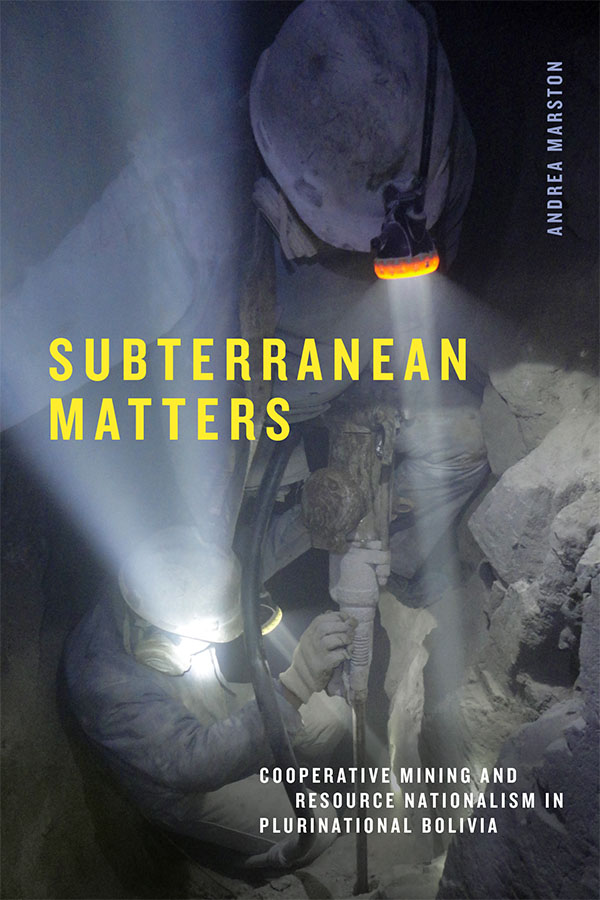
Congratulations to Professor Andrea Marston for publishing a new book titled: "Subterranean Matters: Cooperative Mining and Resource Nationalism in Plurinational Bolivia". Marston is a human-environment geographer with research and teaching expertise at the intersection of political ecology, political economy, development studies, feminist geography, and science and technology studies.
In Subterranean Matters, Andrea Marston examines the ongoing history of Bolivian mining cooperatives, an economic formation that has been central to Bolivian politics and to the country’s economy. Marston outlines how mining cooperatives occupy a contradictory place in Bolivian politics. They were major backers of left-wing president Evo Morales in 2006 and participated significantly in the crafting of the constitution that would declare Bolivia a plurinational state. At the same time, many Bolivians regard mining cooperatives as thieves because they derive personal profits from the subterranean mineral resources that are the legal inheritance of all Bolivians. Through extensive fieldwork underground in Bolivian cooperative mines, Marston explores how these miners—and the subterranean spaces they occupy—embody the tensions at the heart of Bolivia’s plurinational project. Marston shows how persistent commitment to nation and nationalism is a shared feature of left-wing and right-wing politics in Bolivia, illustrating how bodies, identities, and resources fit into this complex political matrix.
More information: Here
Puerto Rico Summer Graduate Intern Program 2024--Puerto Rico Archival Collaboration
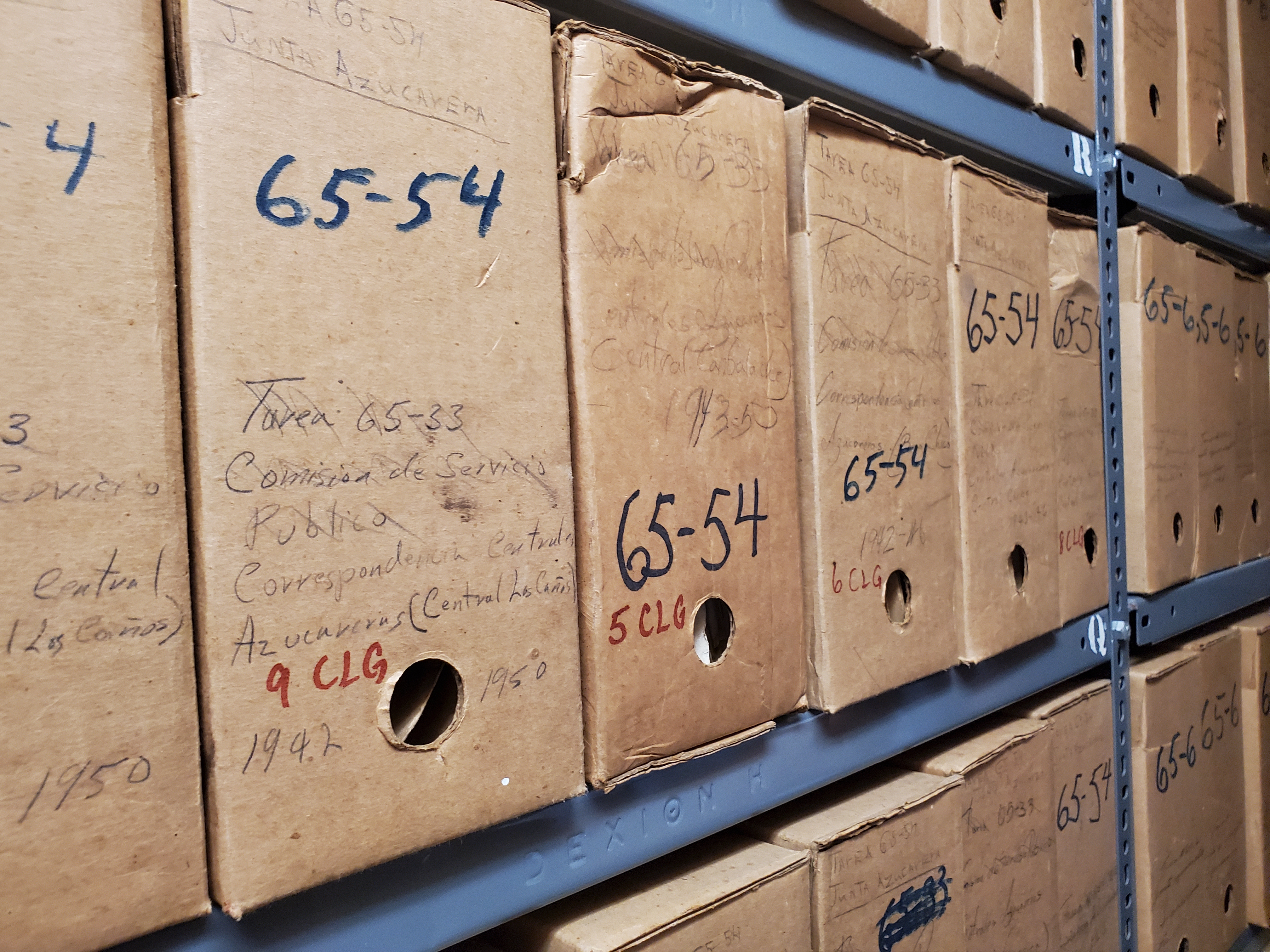
SELF-FUNDING GRADUATE STUDENTS MAY JOIN THE ARCHIVAL INTERNSHIP AT THE ARCHIVO GENERAL DE PUERTO RICO SPONSORED BY THE PRAC
The Puerto Rico Archival Collaboration Summer Graduate Intern Program will be held again in 2024. This year's dates are from June 10 to July 19.
The PRAC has organized summer internships for self-funding participants in 2023 and 2022.
Students spend five weeks working at the AGPR and doing research in Puerto Rico. At the AGPR they work as volunteer interns organizing archival collections. In previous summers they helped organize a massive Fomento Industrial collection which is now available for researcher use and materials from Fortaleza (20th C. Governors), Junta de Planficacion, the municipal collection of San Juan, trials, Sugar Commission records and many others. Participants work with archivist Pedro Roig sorting, cleaning, re-boxing, labelling and listing/inventorying documents.
The AGPR has no staff of its own to carry out this work. Its collections include tens of millions of documents related to over five centuries of the history of Puerto Rico. Students are exposed to the collections they work with and have inside access to information and support to develop their own projects and interests while there. They are offered mentoring, networking and advice on other research sites, collections, institutions and scholars for their own research projects.
Participants must spend three days a week and a minimum of five weeks as volunteer interns.
The summer internship is part of a larger project with the AGPR and the Coleccion Puertorriquena of the UPR library motivated by the lack of resources for staffing at both institutions.
If interested, your institution or individual faculty could sponsor their own students through the workflow and agreements I have established at the AGPR. Sponsors fund the living and travel costs of their students with whatever resources they have available. My suggestions is that a budget of at least $2500 is the least required for five weeks of living in Puerto Rico. Participants arrange for housing and transport on their own. In some cases, students are already planning on being there and only a per-diem stipend is required. The configuration is flexible. If you already have students who will be in Puerto Rico you are free to configure support for them in whatever way they find acceptable.
Active updates, photos, news and student blogs are posted here.
Feel free to share this with faculty colleagues that might have students interested in this work and let me know if you have any questions.
Aldo A. Lauria Santiago
Rutgers University, New Brunswick
The Latino Studies Research Initiative Issues Call for Articles
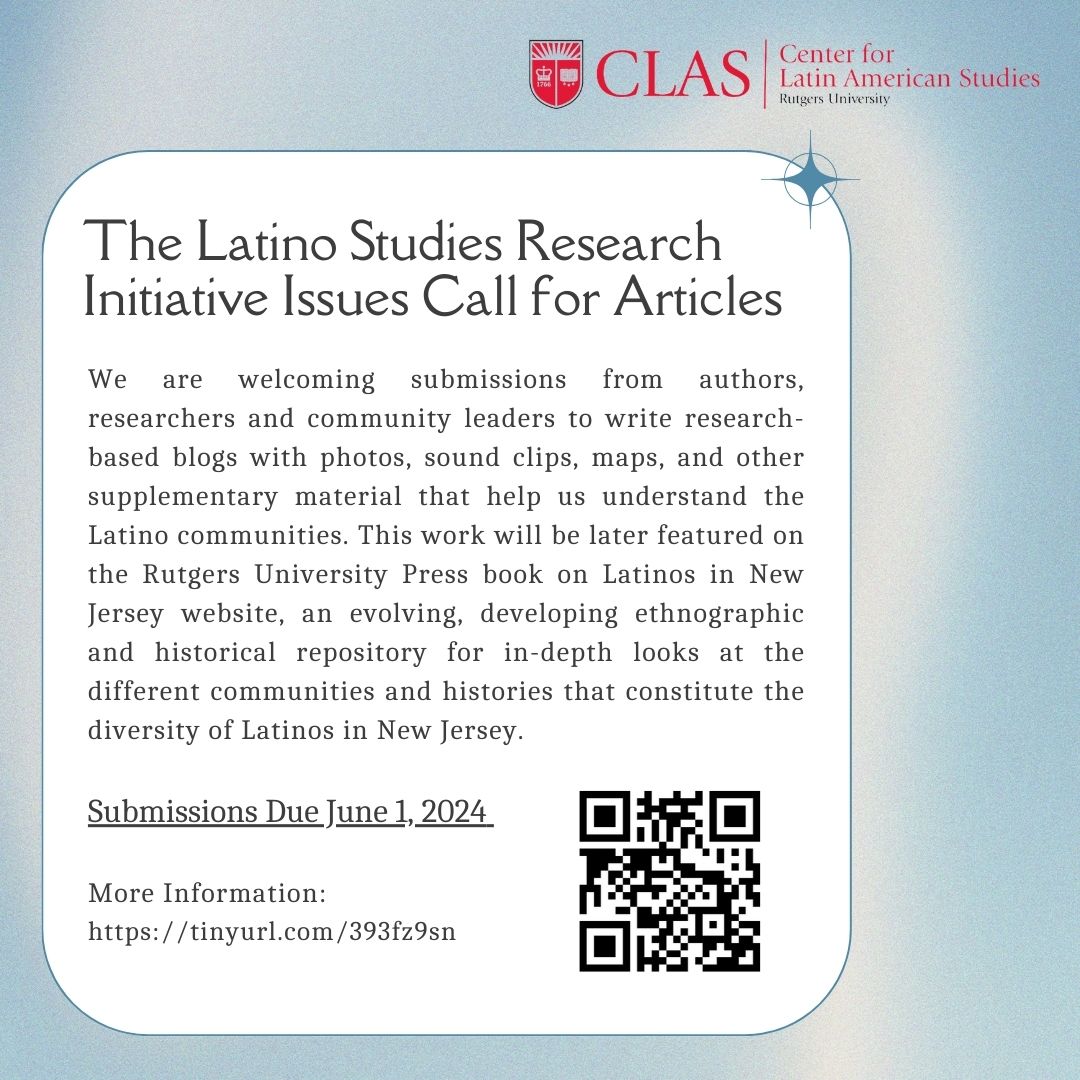
Call for Articles and Blogs for Website on Latinos in New Jersey
The LSRI issued a call for researchers and community leaders to write research-based blogs with photos, sound clips, maps, and other supplementary material that help us understand the diverse Latino communities of New Jersey. This material will be part of a website that will accompany the publication of the Rutgers University Press book on Latinos in New Jersey which Professors Lauria Santiago and Ulla Berg edited. As part of this work, LSRI secured funding from the New Jersey Historical Commission and other sources for a companion website. The website will include information on the book and extend the scope of the book to additional publications in the form of short blogs, teaching guides, maps, and supplementary material by the book chapter authors.