
Rutgers PhD Candidate Laura De Moya Guerra Awarded 2026 ICANH Research Grant
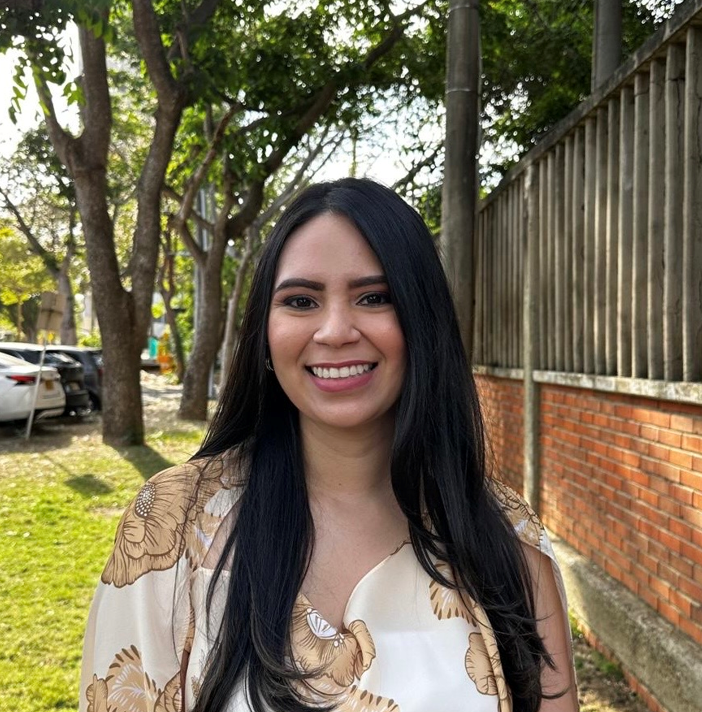
Congratulations to Rutgers History PhD candidate Laura De Moya Guerra on receiving a 2026 Research Grant from the Instituto Colombiano de Antropología e Historia (ICANH), one of Colombia’s principal institutions supporting historical and anthropological research.
The award was granted through the competitive program “Sistemas de Vida Regionales en el Caribe Colombiano” and will support De Moya Guerra’s project, Migración y vida insular en el Caribe colombiano: presencia china en San Andrés, 1912–1970. Focusing on the Colombian Caribbean, the project examines how Chinese migrants participated in shaping the economic and social life of San Andrés during the twentieth century.
Combining archival research, oral history, and fieldwork, the project explores migration as part of the historical formation of regional life in the Caribbean archipelago. More broadly, the research seeks to contribute to ongoing discussions about migration, race, and nation-building in Colombia from a regional and insular perspective.
Congratulations, Laura!
Violence in Latin America Talk Series Concludes Its 2025-2026 Cycle
The Violences in Latin America Talk Series brought together scholars and audiences over the course of a year-long virtual program examining diverse forms and histories of violence across the region. Across the talks, speakers explored themes such as state and paramilitary violence, insurgencies and community resistance, postwar memory and victimhood, and the long-term political and social effects of conflict in Haiti, Colombia, Peru, and Mexico.
Approximately 180 participants attended the sessions throughout the series, joining from a range of institutions and locations within and beyond the United States. The virtual format allowed for consistent participation and exchange among scholars, students, and the wider public.
We thank all the speakers for their contributions to the series, as well as the many attendees who joined the conversations over the past year.
Joyce Lu Defends Dissertation on Antibiotic Resistance and Public Health in Guatemala
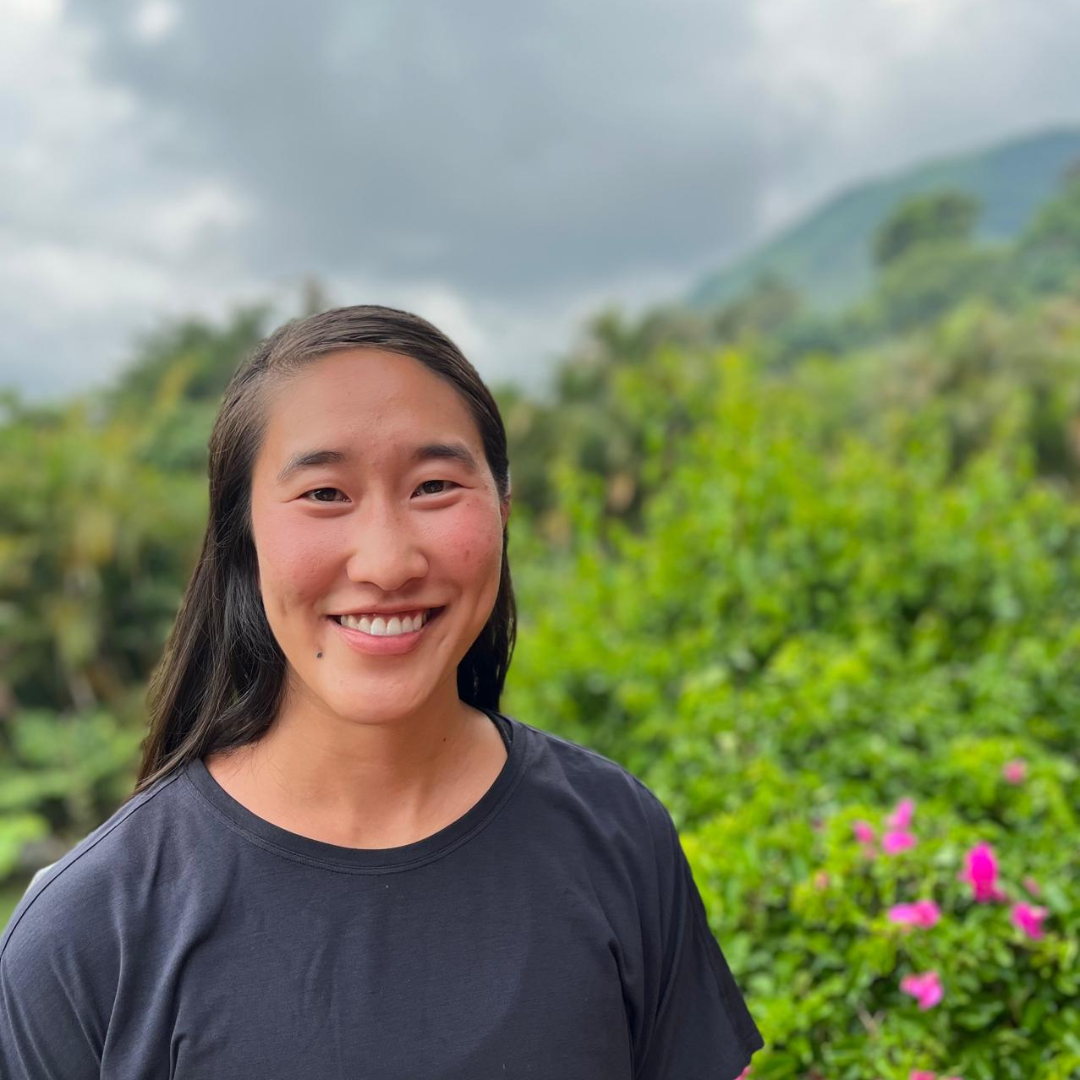
Huge congratulations to the newly minted Dr. Joyce Lu!
We are absolutely thrilled to share that Joyce recently defended her dissertation, “The Expert and the Healer: Trust, Public Health, and the Afterlives of Antibiotics in Guatemala.”
Her research dives deep into antibiotic resistance, examining how trust, medicine, and public health intersect in the western highlands of Guatemala.
Join us in celebrating this incredible milestone. Congratulations, Dr. Lu!
CLAS Affiliate Camilla Townsend Elected to the American Academy of Arts and Sciences
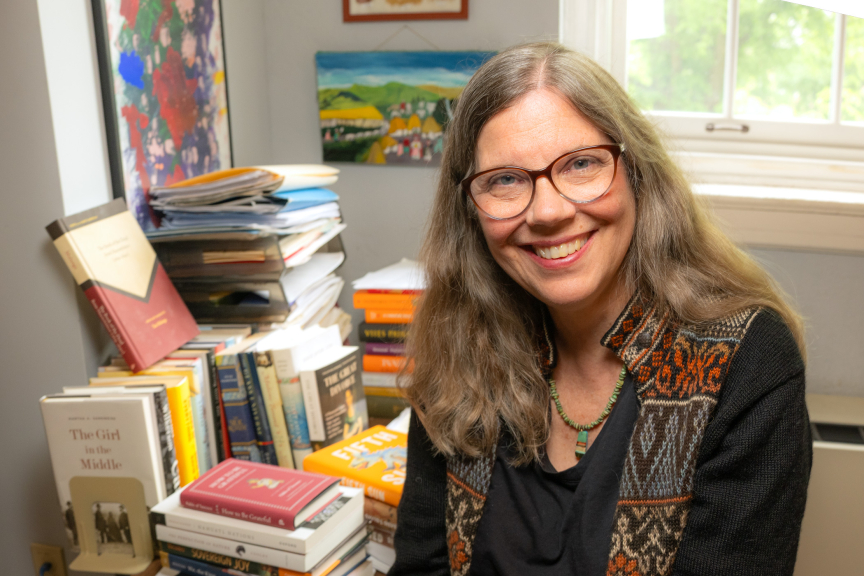
A massive shout-out to our very own Camilla Townsend!
Being elected to the American Academy of Arts and Sciences is one of the highest honors in the field, and we couldn’t be more excited to see her pioneering work in Aztec history recognized.
Congratulations, Camilla, on this incredible milestone in your career!
Camilla Townsend’s academic career was already off to a promising start at Colgate University in the 1990s when she took a summer class that would transform her work as a historian.
The course introduced Townsend to the Nahuatl language of the Aztecs, the Indigenous civilization in central Mexico conquered by Hernán Cortés and the Spanish conquistadors in the 1500s.
Townsend, initially a scholar of colonial economic history, was struck by the rich array of Nahuatl literary sources and emerged from the course with a bold new calling: Telling the story of the Aztecs in their own words rather than through the accounts of their European conquerors.
“I have spent the past 30 years reading the histories that the Aztecs wrote in their own language for their own grandchildren, and trying to make them comprehensible to modern people,” Townsend said. “What I wanted to do is serve as an effective bridge between both worlds.”
In seminal works like Fifth Sun: A New History of the Aztecs, Townsend drew from the writings of young Aztec men who learned the Roman alphabet from the Spanish friars who accompanied Cortés in his conquest.
Unbeknownst to the friars, who had taught the alphabet with the goal of converting the Indigenous people to Christianity, the Aztec students took their newly acquired knowledge of the phonetic alphabet home and used it to record their elders’ recitations of history and other stories in their own language.
“They are marvelously rich sources—full of subtle political commentary, raunchy humor, and evocative imagery,” Townsend said. “They allow us to catch a glimpse of how these Indigenous people experienced the world, both before Europeans arrived, and at the time of conquest.”
The author of numerous works on Native American history, including On the Turtle's Back: Stories the Lenape Told Their Grandchildren, Townsend is also known as a dedicated classroom teacher at Rutgers. Last fall, after being elected to the British Academy, she declined to take a transatlantic trip for the installation ceremony. The reason? She’d miss a week’s worth of her classes.
She recently co-edited with a Rutgers graduate student the book After the Broken Spears, which explores early Indigenous history in Mexico and includes essays by current and former Rutgers students.
“What I long for is to see a world in which more people truly care about those who loved these shores long before we came along,” Townsend said. “So it is immensely important for me to pass along whatever I have learned to Rutgers students, so that they may carry it forward.”
Townsend said she felt deep joy and gratitude to be inducted into the American Academy of Arts and Sciences.
“The Aztecs used to say something that literally translates as ‘people have befriended me," Townsend said. “In our own times, we would express the same concept by saying, ‘I am grateful.’
“Nechicnelique. I am indeed grateful.”
Paraguay in Focus: Jamie Gagliano Co-Authors Article on Attacks Against NGOs
A few months ago, Geography PhD candidate and CLAS affiliate Jamie Gagliano co-authored an essential piece for the NACLA Report on the Americas that remains incredibly relevant today.
In "In Paraguay, NGOs are Under Attack," Jamie and Michael Cary explore the rising legal pressures on civil society. As these political shifts continue to unfold in Paraguay, their analysis provides vital context on the global trend of targeting human rights organizations.
- Gloria Dalessio Wins Wenner Gren Grant for Darien Borderlands Research
- Rutgers History Ph.D. Student Nathan Darmiento Advances to Candidacy
- From the Amazon to MoMA: Diana Iturralde Reflects on Research, Curatorial Practice, and the Politics of Representation
- CLAS Postdoc Vierelina Fernández Delivers Research Talk on Gender and Guerrilla Movements